How to build a dwelling in 1858-9
In 1858-9 there were no buildings in the Upper Clutha when the first settlers arrived. They really only had materials from the land with which to build a shelter. Most of the new arrivals came from Scotland where a large percentage of the houses were cob cottages – made with mud and straw and sometimes mud and rocks. Thankfully, Resource Consents etc did not have to be applied for!
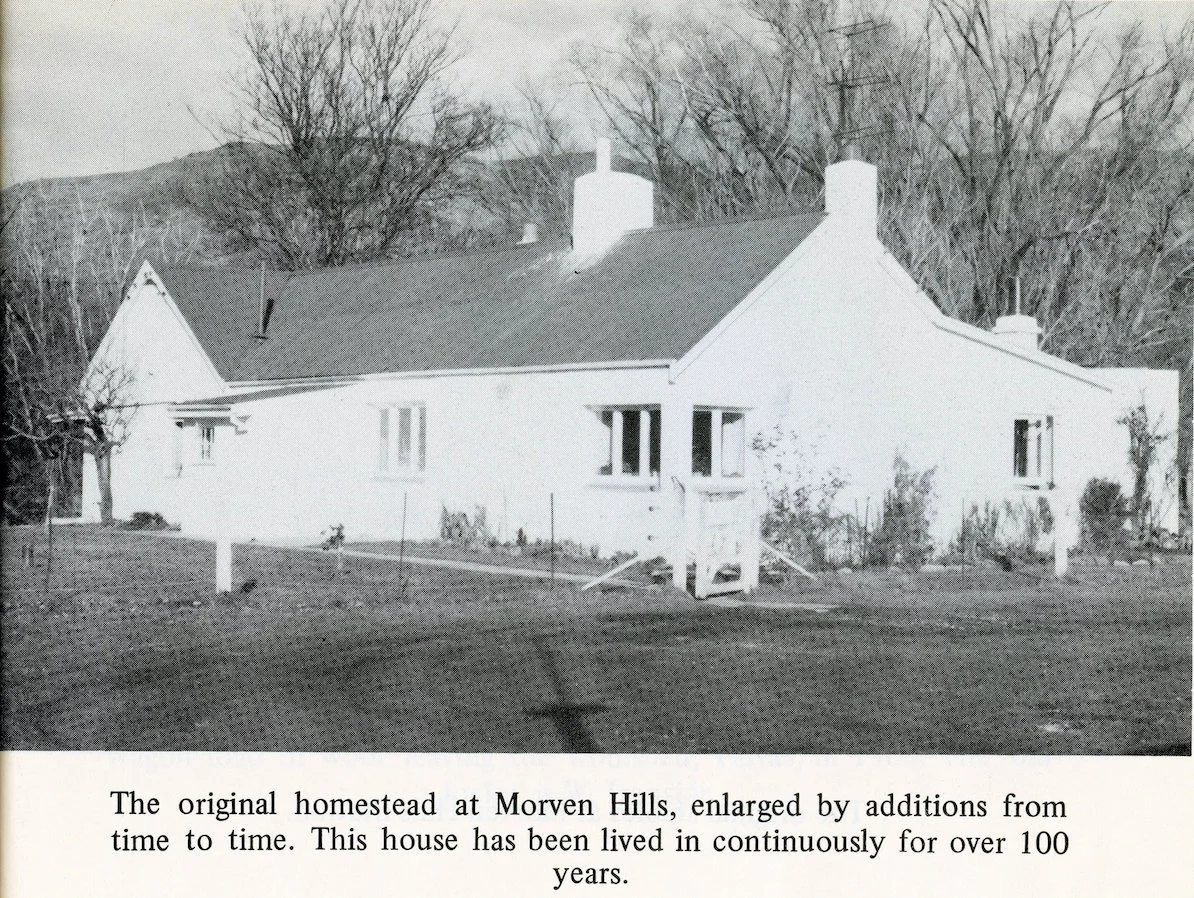
The following is a description of how the walls were made on Morven Hills Station:
“They dug a trench and into it they threw tussock, toi-toi and horse-hair and, adding water, they walked an old horse up and down to get the mud to the right concistency. Carrying stones from the River Lindis, they build a Scotch settlement exactly the same as may be found in the Highlands to-day. The house, built of stones and mud dried in the sun, had eleven rooms.”
This excerpt is from a booklet “From Little Towns in a far land we came” by Helen MacLean Buckley written in 1950 for the Canterbury centenary (page 45). She was a descendant of the McLean family who established Morven Station. The method used is the same as described in use in Dumfriesshire and can be seen in the remains of the original buildings by Tom Anderson at Kidds Creek. There will be other examples around the country.