
Not only farmers hated rabbits!
As most people know, rabbits quickly became a pest in the 1870’s after they were introduced to rural areas.
A typed article, by an unknown author, was recently discovered in the Upper Clutha History Society’s records which described a child’s attitude towards rabbits:
“In the early days, in fact right up until after the last World War, rabbits were a problem. On one occasion, McPherson[1] was taking his family of four daughters and one son to Wānaka in the dray. On the way through Cattle Flat they set upon an acquaintance who exclaimed “My, McPherson, that is a bonny looking family of daughters you have. What do you feed them on? With that, one daughter piped up “Rabbits hot, rabbits cold, rabbits young, rabbits old, rabbits thin, rabbits tough, my goodness we’ve had enough.” In the 75 years that rabbits were rampant in Otago (and still are!), how many farmers and runholders expressed the same feelings in more lurid details?”
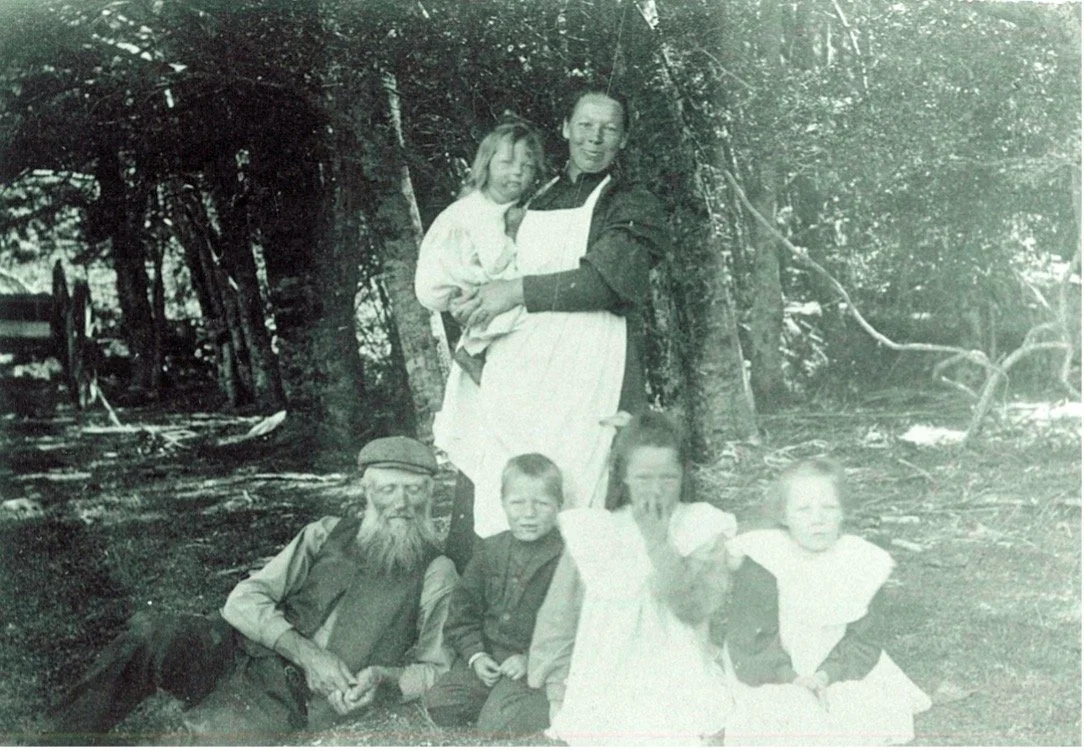
The McPherson family celebrating New Years Day at the old sawmill site – 1906 (No rabbits to be seen!)
The rabbits are still with us, but one would hope that the rabbits the McPherson family were consuming were not killed by strychnine poison - the common means of killing them!
In 1915, even Charles Ewing, as secretary of the Pembroke Commonage Committee, was fined £1 with 12 shillings costs on a charge of failing to kill rabbits on the Commonage[2] (now known as Pembroke Park).
[1] Hugh McPherson who lived with his family up the Matukituki Valley, on what we now know as Mt Aspiring Station, apparently in somewhat ‘straightened’ conditions.
[2] Failing to Destroy Rabbits, Magistrates Court, Pembroke, Cromwell Argus, 8 March 1915
Listen to first-hand accounts of rabbit control: